A Week in Oaxaca: Food, Mezcal, and the Art of Slowing Down
Mexico’s most culinarily obsessive state rewards visitors who are willing to eat adventurously, walk slowly, and resist the impulse to optimise every hour. A travel dispatch from a week spent doing exactly that.
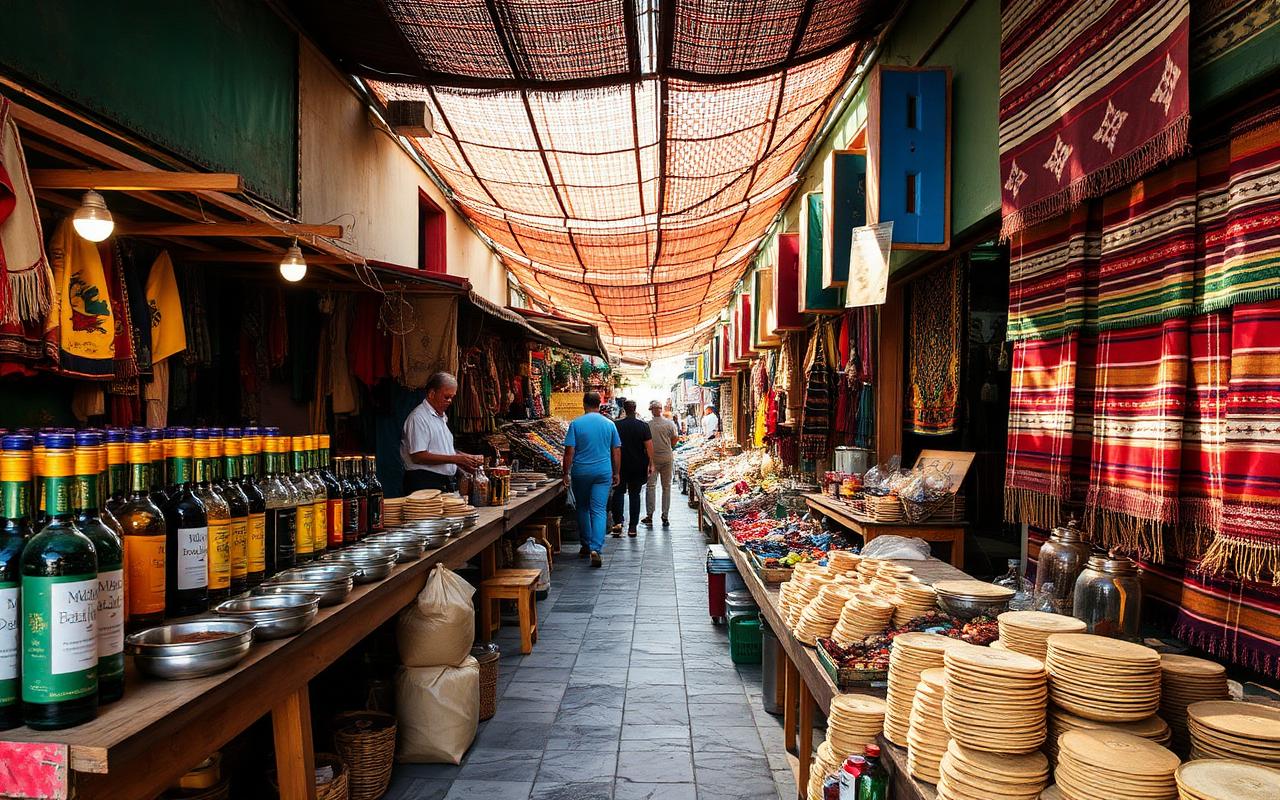
I had been to Oaxaca once before, briefly, on a trip that tried to do too much and succeeded at too little. This time I went for a week with nothing planned except a list of markets to visit and a rough intention to eat as well as the city’s reputation demands. By the third day I had abandoned even the market list and was simply following my nose — sometimes literally — through streets that seemed specifically designed to reward wandering.
Oaxaca City is small enough to walk almost everywhere and interesting enough that walking almost everywhere is the correct approach. The historic centre is a UNESCO World Heritage Site, which in some cities is a warning — a signal that the life has been carefully extracted and replaced with signage — but in Oaxaca sits lightly over a city that feels thoroughly inhabited. The markets are not performing authenticity for visitors. They are markets, full of market sounds and market smells and people doing the sustained, particular business of selling things.
The Food
Oaxacan cuisine is one of the great regional food traditions of the world, which is a large claim and which I am prepared to defend. It is built around complex moles that take days to prepare — the famous negro, deep with chilli and chocolate and around thirty other ingredients, the earthier rojo, the herbaceous verde, the lesser-known chichilo, smoky and austere — and around ingredients that range from the extraordinary (tlayudas, the large, half-dried tortillas that serve as the base for everything) to the confronting (chapulines, the toasted grasshoppers sold in enormous quantities at the Mercado 20 de Noviembre, salty and crunchy and deeply savoury).
The best meals I ate all week were not in restaurants. They were at the market — specifically at the row of comal stations in the Mercado 20 de Noviembre where women have been cooking meat over charcoal since before the building was built, and where the correct approach is to buy your meat at the carnicería stalls on one side, pay a small fee to have it cooked on the communal comal in the middle, and eat it with whatever the condiment stations offer. This is the meal that Oaxaca does better than anywhere.
I also ate well at several restaurants, in the interest of fairness. Cruda, a younger restaurant with a thoughtful approach to Oaxacan ingredients and techniques, served a lamb barbacoa with a sauce that made me stop mid-sentence and stare at the bowl. Casa Oaxaca, older and more famous, justified its reputation with a mole negro of genuinely extraordinary complexity. For breakfast every day I ate at a tiny comedor two blocks from my rental apartment, where a woman of indeterminate age served three things — eggs with salsa, tamales, and atole — and nothing else, and where everything was perfect.
Mezcal
Oaxaca is the heartland of mezcal production, and understanding the difference between what you are offered in export markets and what you drink in Oaxaca is one of the trips’s more instructive experiences. The mezcal available in most bars outside Mexico has been selected for approachability — the smokiness moderated, the more challenging flavour notes smoothed over. What’s available here, in small palenques (distilleries) and specialist mezcalerias, runs from intensely smoky tobalá expressions through floral, almost delicate pechuga varieties to rustic, funky ensemble mezcals made from multiple agave species that would confuse most international markets entirely.
I visited two palenques, both small-scale family operations, and the experience of watching mezcal made by hand — the agave hearts roasted in earthen pits, crushed by horse-drawn tahona, fermented in open wooden vats with wild yeasts, distilled in clay pots — is a good reminder of how much character can be lost in the pursuit of consistency. The mezcal I brought home fills a significant portion of my luggage allowance. I have no regrets.
The Art
Oaxaca has an art scene that is serious and accessible in equal measure. The MACO contemporary art museum is free and consistently excellent. The galleries around the Andador Turístico range from the clearly tourist-oriented to the genuinely interesting, and learning to distinguish between them takes about twenty minutes of walking. The Tule tree, a Montezuma cypress outside the town of Santa María del Tule claimed to be the widest tree in the world, is thirty minutes away and worth the afternoon.
But the art I found most affecting was the kind embedded in the fabric of the city — the murals on market walls, the alebrijes (painted wooden fantastical animals) carved in workshops in the surrounding villages, the weavings produced on backstrap looms by Zapotec artisans whose pattern vocabularies are centuries old. These are living traditions, not museum pieces, and Oaxaca’s cultural vitality derives substantially from the fact that they remain so.
I left with a suitcase I could barely lift and a strong conviction that a week is not enough. Return visits to Oaxaca are, I suspect, inevitable.

The Slow Death and Sudden Rebirth of the American Dinner Party
For two decades we were told the dinner party was dying — killed by busy schedules, delivery apps, and the anxiety of performing domesticity. Then something changed.

The New Wave of African Cinema Taking the World’s Festivals by Storm
From Nigeria to Senegal to Kenya, a generation of filmmakers is producing work of extraordinary range and ambition — and the world’s major festivals are taking notice. An overview of the directors and films to know.