The New Wave of African Cinema Taking the World’s Festivals by Storm
From Nigeria to Senegal to Kenya, a generation of filmmakers is producing work of extraordinary range and ambition — and the world’s major festivals are taking notice. An overview of the directors and films to know.
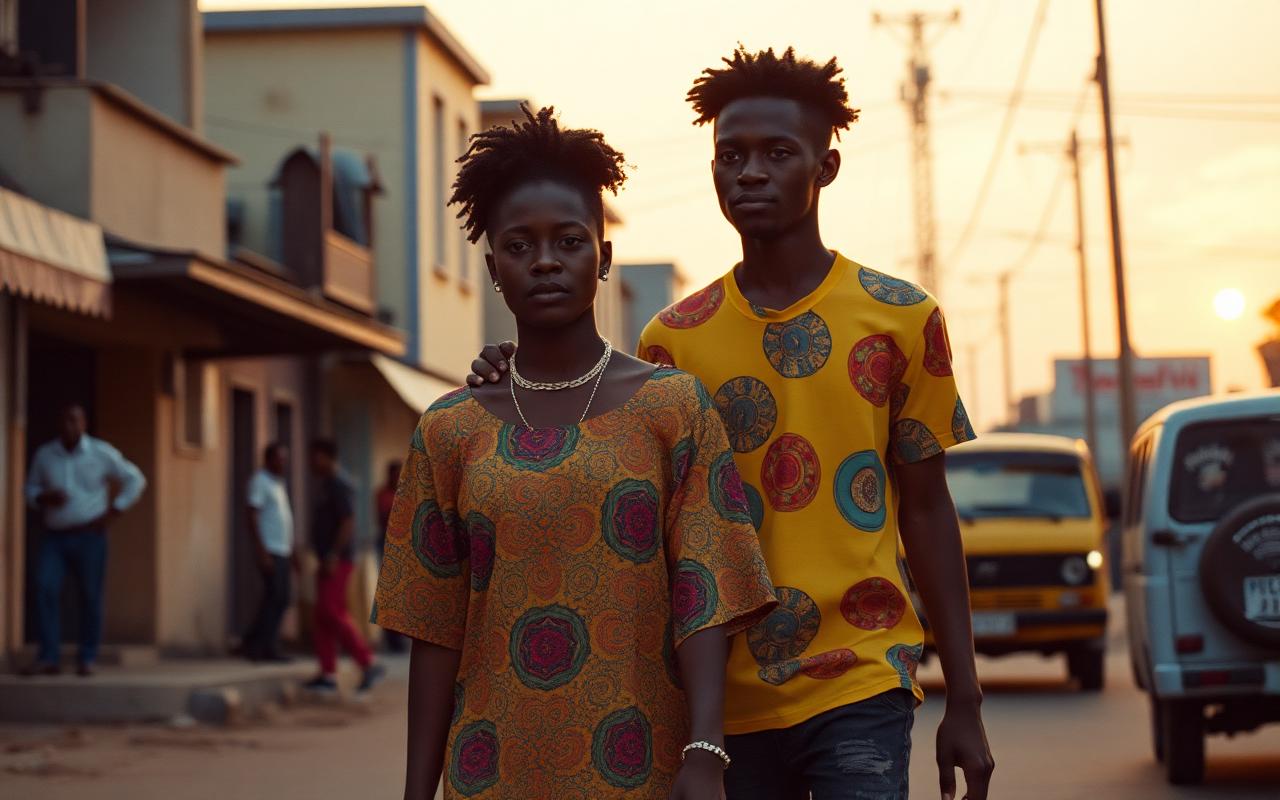
The Cannes film festival is not where most conversations about African cinema begin, but it may be where the current moment becomes undeniable. The past three editions of the festival have included work from Nigeria, Senegal, South Africa, and Tunisia in competition or in Un Certain Regard — a concentration of African filmmaking in major international festival programming that has no precedent in the history of the event.
This is not a story about a trend, though trends are easy to write. It is a story about a generation of filmmakers who have been working for years, developing a visual language and a set of concerns that are now finding their international moment — and about the industry infrastructure that has developed in several African countries that makes sustained professional filmmaking possible in a way it wasn’t twenty years ago.
Nigeria: Beyond Nollywood
Nigerian cinema presents the most complex case because it has the most complex history. Nollywood — the vast, fast-moving video film industry that makes Nigeria the world’s third-largest film market by output — is an entirely different phenomenon from the art-house and international co-production filmmaking that the festival circuit prizes, and the two have a relationship that is sometimes complementary, sometimes antagonistic, and always interesting.
The directors generating international attention are, in most cases, working in conscious relationship with Nollywood’s visual culture while refusing its production constraints. Chioma Ejike, whose debut feature Saltwater won the Jury Prize at Toronto, grew up watching Nollywood films and describes them as forming her visual imagination — but shot her film over four years with a skeleton crew and a budget that would not sustain a single week of Nollywood production.
The subject matter is resolutely domestic and resolutely specific: the negotiation of tradition and modernity in a Lagos that is changing faster than its inhabitants can track; the gendered economics of domestic labour; the specific texture of middle-class aspiration in a city of extraordinary wealth inequality. These are not films designed for the external gaze.
Senegal and Francophone West Africa
The Senegalese tradition of art cinema is older and more established — the legacy of Ousmane Sembène, who is rightly described as the father of African cinema, extends into the work of every serious filmmaker working in the francophone West African tradition — and the current generation is in explicit conversation with that history while pushing past it.
Director Ndéye Fall, whose second film The Dry Season has won prizes at three major festivals this year, describes her work as an attempt to make films about Senegalese women that are not about tradition versus modernity, a framing she finds both patronising and exhausting. “The women I want to make films about are not caught between two worlds,” she has said. “They are fully in the one world they actually live in, which is complicated and specific and not reducible to a contrast.”
This insistence on specificity — on the particular rather than the representative, on character rather than symbol — marks much of the most interesting current filmmaking across the continent.
Kenya and East Africa
The East African scene is newer and smaller but currently producing some of the most formally adventurous work. Kenyan filmmaker Aisha Mwangi’s documentary-fiction hybrid Night Bus — following actual passengers on an actual overnight bus from Nairobi to Kisumu, with actors playing fictional characters interspersed among them — won the Documentary prize at Berlin and has generated significant critical discussion about the boundaries between documentary and fiction that the film deliberately refuses to police.
The financing question is central here: East African film production has historically had less access to the European co-production funding that has sustained much of the francophone West African tradition, and the creative solutions filmmakers have found — guerrilla production, mobile phone cinematography, crowdfunding from diaspora communities — have in some cases produced formal innovations that more conventionally funded productions might not have discovered.
The Industry Question
The critical attention is real, and it matters. But so does the question of whether sustainable industry infrastructure is being built behind the festival success. Film schools have expanded significantly in Nigeria, Ghana, and Kenya over the past decade. Several streaming platforms — both global giants and regional players — have invested in African-made content, though the terms of those investments are contested and the platforms’ commitment to local creative control varies considerably.
The directors at the vanguard of the current moment are largely optimistic, with qualifications. “The international attention is useful when it opens doors,” says Ejike. “It’s less useful when it starts to shape what you think you should be making. The real question is whether we can build an audience at home that makes the international festival circuit irrelevant to our survival. We’re not there yet. But I think we could be.”

The Slow Death and Sudden Rebirth of the American Dinner Party
For two decades we were told the dinner party was dying — killed by busy schedules, delivery apps, and the anxiety of performing domesticity. Then something changed.
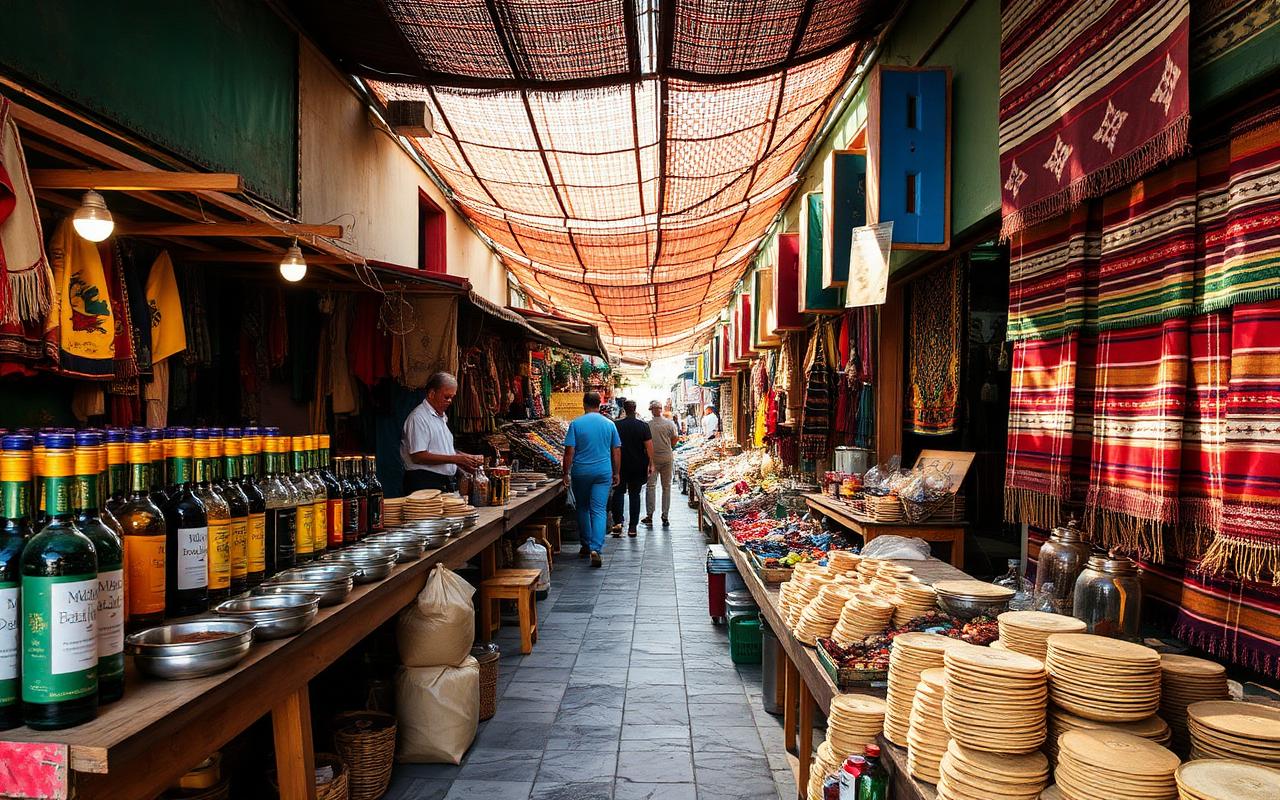
A Week in Oaxaca: Food, Mezcal, and the Art of Slowing Down
Mexico’s most culinarily obsessive state rewards visitors who are willing to eat adventurously, walk slowly, and resist the impulse to optimise every hour. A travel dispatch from a week spent doing exactly that.