The Slow Death and Sudden Rebirth of the American Dinner Party
For two decades we were told the dinner party was dying — killed by busy schedules, delivery apps, and the anxiety of performing domesticity. Then something changed.
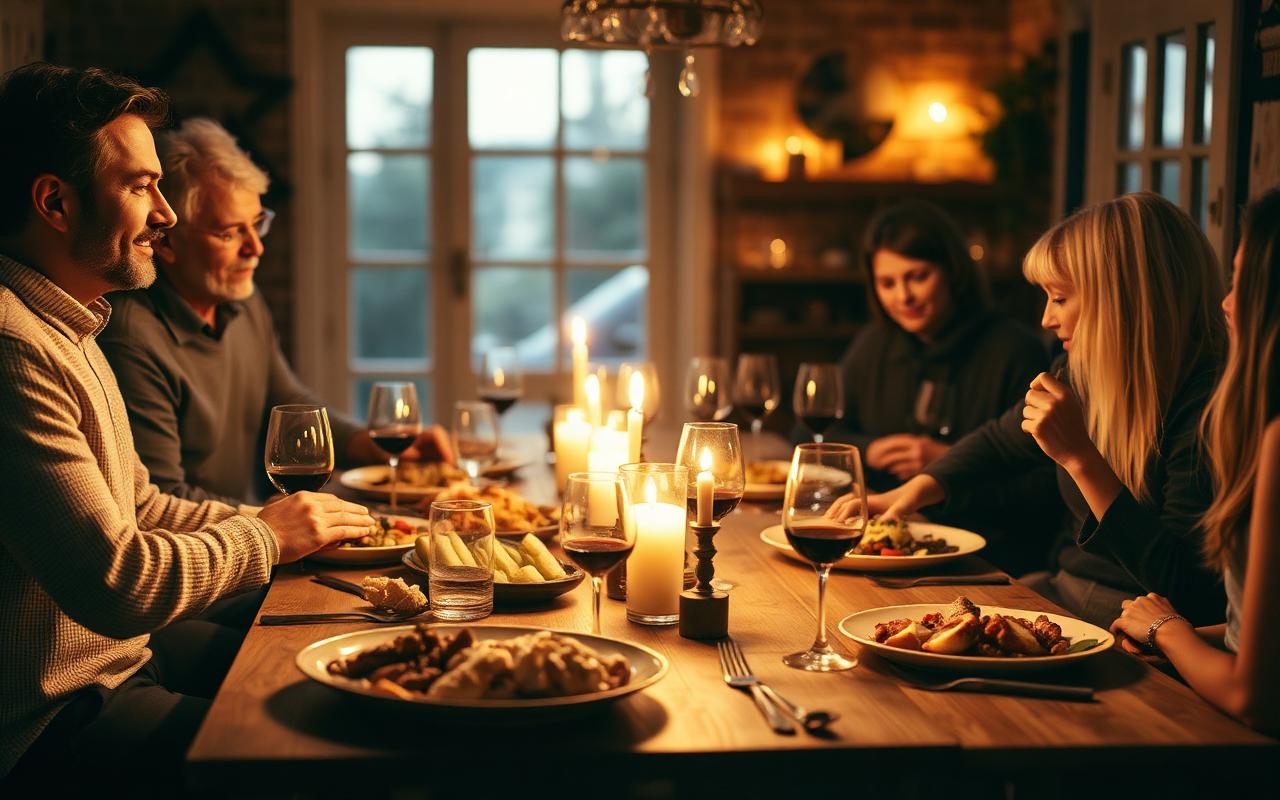
There is a particular anxiety that settles over you when you invite people to dinner. Not the pleasant nerves of anticipation, but the deeper dread that the evening will fail to justify itself — that the food won’t be right, the conversation won’t catch, that you will have imposed on people who could have been anywhere else and chosen to be in your kitchen.
This anxiety, food writers and sociologists agreed throughout the 2010s, was killing the dinner party. The evidence seemed compelling: restaurant bookings were up, entertaining at home was down, and the elaborately catered dinner party of the previous generation had given way to the casual “come over for drinks” that reliably ended by nine. The pandemic made things stranger still. Two years of enforced isolation was supposed to make us hunger for company, but it also made many of us anxious about it — hyper-aware of the social performances we had forgotten how to give.
What nobody predicted was what actually happened: a genuine, widespread, and rather beautiful revival of the art of cooking for other people.
The Numbers
Sales of entertaining-focused cookbooks have risen significantly for three consecutive years. Specialist kitchen retailers report sharp increases in sales of serving platters, large-format cookware, and items that would have been dismissed as impractical a decade ago — whole fish serving dishes, paella pans for twelve, wide shallow braisers designed to go straight from oven to table. Cooking-for-a-crowd content on video platforms consistently outperforms recipe content aimed at individuals or small families.
None of this is definitive, but it maps onto something most of us have observed anecdotally: people are cooking for each other again, and they are making an occasion of it.
What Changed
Several things happened simultaneously. The delivery app fatigue that was beginning to set in before the pandemic accelerated sharply during it, as the novelty of restaurant-quality meals arriving at the door wore off and people began to feel the transaction’s emotional flatness. Eating well became decoupled, for many people, from going out — a dissociation that made the home table feel like a more interesting site of pleasure rather than a consolation prize.
Social media played a role that was more complicated than simple aspiration. Yes, the aesthetics of the well-set table and the photogenic roast chicken circulate endlessly on Instagram. But something more interesting also happened: cooking content became authentic rather than aspirational. The videos that perform best now are not the ones that show immaculate results but the ones that show the process — the scraping of pans, the tasting and adjusting, the mess. Cooking became something people wanted to be seen doing imperfectly, which made it feel accessible rather than intimidating.
The Politics of the Table
There is a political dimension here that is worth taking seriously. The dinner party — shared food, a fixed time, the obligation to sit down together — is one of the few social forms that actively resists the fragmenting tendencies of contemporary life. You cannot scroll through a dinner party. You cannot multitask through a dinner party. You are required, for three or four hours, to be present with a specific group of people, which turns out to feel increasingly countercultural.
Cookbook author and food writer Claudette Marchand, whose book on modern entertaining became an unexpected bestseller, puts it bluntly: “People are hungry for ritual and I mean that completely literally. They want the candles, the effort, the signal that this meal is different from every other meal eaten this week. That’s not nostalgia. That’s a genuine human need that went unmet for too long.”
The New Dinner Party
What it looks like now is different from what it looked like in 1985 or 1995. The formality is gone — or rather, it has been replaced by a different kind of care. The elaborate three-course structure has given way to more relaxed table architectures: long boards of antipasti that encourage grazing, a single spectacular main dish that arrives already in its vessel, dessert that somebody else brought. The host is not performing flawless mastery; they are inviting guests into a process.
Dietary requirements that would have been negotiated apologetically a generation ago are now accommodated as a matter of course — the dinner party has become better at including people, which has made it less exclusive and more genuinely hospitable. The guest list has become more intentional too: smaller, more thoughtfully composed, with an eye toward conversations that might actually happen rather than the maximum social coverage of the large party.
Whatever is driving it, something real seems to be happening at people’s tables. The dinner party isn’t dead. It’s been reinvented — quieter, warmer, and more honestly pleasurable than it has been in years.
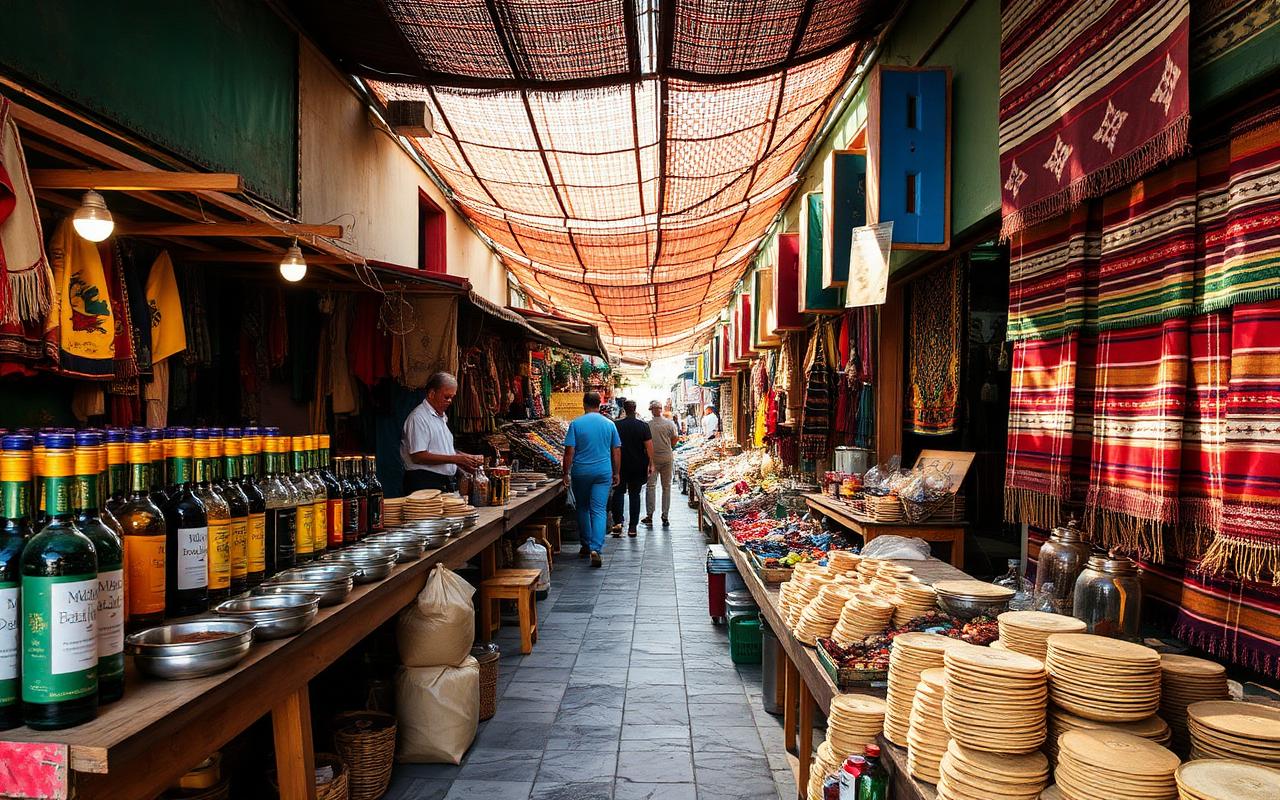
A Week in Oaxaca: Food, Mezcal, and the Art of Slowing Down
Mexico’s most culinarily obsessive state rewards visitors who are willing to eat adventurously, walk slowly, and resist the impulse to optimise every hour. A travel dispatch from a week spent doing exactly that.

The New Wave of African Cinema Taking the World’s Festivals by Storm
From Nigeria to Senegal to Kenya, a generation of filmmakers is producing work of extraordinary range and ambition — and the world’s major festivals are taking notice. An overview of the directors and films to know.