Review: ‘Meridian Station’ Is Ambitious Science Fiction That Mostly Lands
A cerebral, slow-burning science fiction film about isolation, communication, and the limits of language that rewards patience even when it tests it. Rating: 3.5/5.
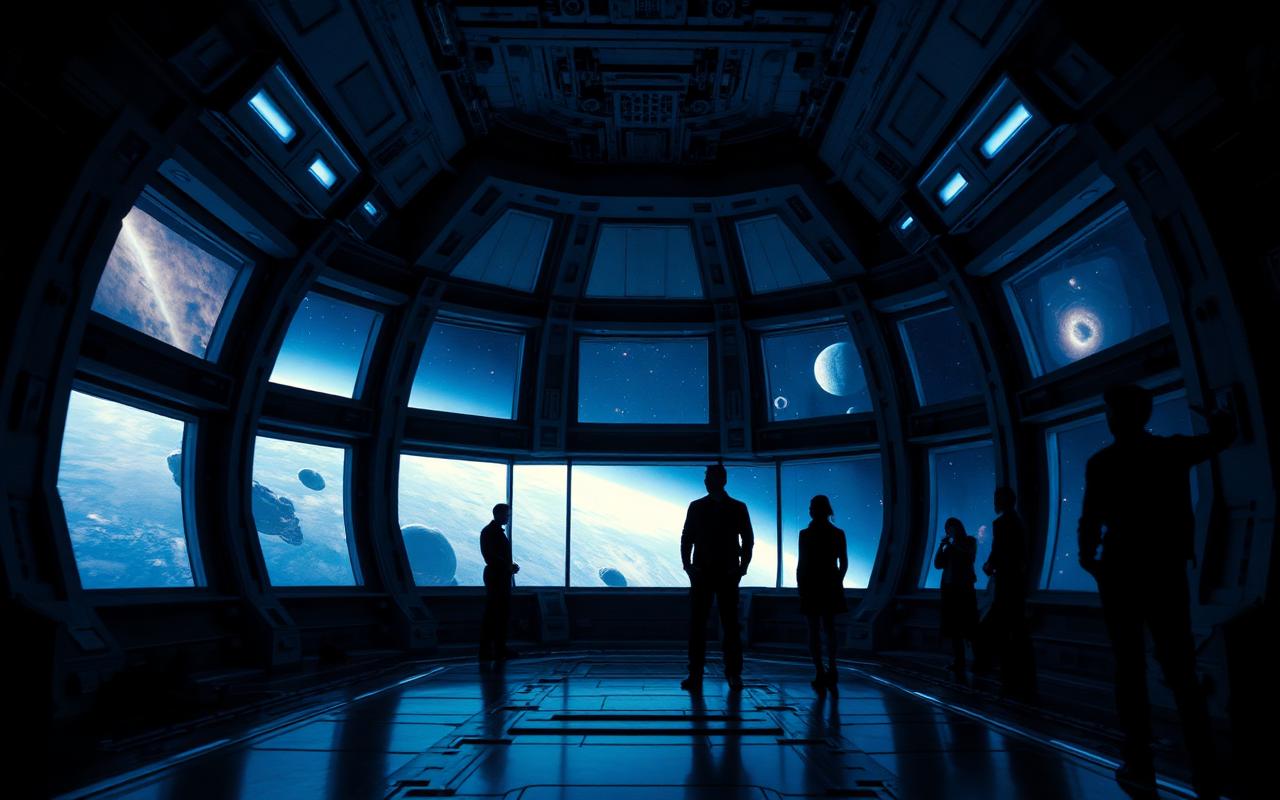
Directed by Hana Yoshida. Starring Aiko Tanaka, Luis Garza, and Petra Novák. 142 minutes. Rated PG-13.
Hana Yoshida’s second feature is the kind of film that film critics are supposed to love and general audiences are supposed to avoid, and I want to push back against both halves of that assumption. Meridian Station is demanding, yes — it is slow, it withholds information methodically, and its climax is deliberately ambiguous in ways that will frustrate viewers who have invested two hours and twenty minutes expecting a conventional resolution. But it is also visually stunning, emotionally engaged, and genuinely interested in ideas that science fiction cinema rarely takes seriously.
The premise: a remote research station at the edge of the solar system, staffed by three scientists, receives a signal from outside the system that appears to encode not information but something closer to emotional states — not language, but something that operates where language cannot. Aiko Tanaka plays Sato, the linguist tasked with decoding the signal. Luis Garza plays Brennan, the station commander who wants a response sent immediately. Petra Novák plays Chen, the physicist who believes the signal is a natural phenomenon and that responding to it may be the most dangerous thing humans have ever done.
The Film’s Strengths
Yoshida is an extraordinarily precise visual stylist. The station itself — rendered through a combination of practical sets and restrained digital effects — feels genuinely inhabited, its surfaces worn, its systems subtly malfunctioning in the way of things that have been operating for years without maintenance. The isolation of the three characters is communicated through the mise en scène as much as through dialogue: compositions that emphasise the vast, dark spaces around the station, close-ups held for slightly too long, the particular quiet of a place where sound doesn’t travel far.
The central philosophical question — what would it mean to receive communication that bypasses language entirely? — is handled with more seriousness than most films manage. Sato’s attempts to decode the signal, shown in extended sequences that some critics have called tedious and I found genuinely gripping, involve her essentially attempting to feel rather than analyse — and the film’s depiction of this process is among the most interesting representations of intellectual work I’ve seen in science fiction.
Aiko Tanaka is exceptional, finding the emotional interior of a character whose primary mode of expression is technical. The relationship between Sato and Chen — built on mutual respect and a fundamental disagreement that neither can resolve — is the film’s most nuanced relationship, and the scenes between Tanaka and Novák have an unusual density of subtext.
Where It Falters
The film’s central problem is Brennan. Luis Garza is a capable actor placed in a role that the screenplay has not thought through carefully enough. Brennan exists primarily as the force that drives the story forward — his impatience creates conflict, his decisions create consequences — but his motivations are underwritten in ways that make him feel like a plot mechanism rather than a person. In a film this committed to psychological realism elsewhere, the thinness is apparent.
The pacing in the second act is also genuinely problematic. Several scenes could be cut or significantly shortened without losing anything important, and their presence suggests a director not yet fully confident in her own material — a reluctance to trust that less would be more.
But the film’s final thirty minutes are as good as science fiction gets: quiet, frightening, and unresolved in a way that feels honest rather than lazy. Meridian Station is a film with serious ambitions that it achieves about two-thirds of the time. That’s a better ratio than most.
Rating: 3.5 out of 5 stars

Review: ‘All the Light Below’ Is Breathtaking, Flawed, and Essential
A three-hour war epic with the audacity to centre not on battles but on what people do to keep living when the battles are over. Demanding, devastating, and extraordinary. Rating: 5/5.

Review: ‘Paper Tigers’ Is the Comedy of the Year
A furiously funny workplace comedy set inside a struggling regional newspaper that somehow manages to be both a sharp satire of the media industry and a genuinely touching portrait of people who care about things that the world keeps telling them don’t matter. Rating: 4/5.