Researchers Achieve Breakthrough in Solid-State Battery Technology
Engineers at a university research consortium have demonstrated a solid-state battery cell that retains over 90 percent of its capacity after 1,500 charge cycles, a milestone that could accelerate the commercial viability of next-generation electric vehicles.
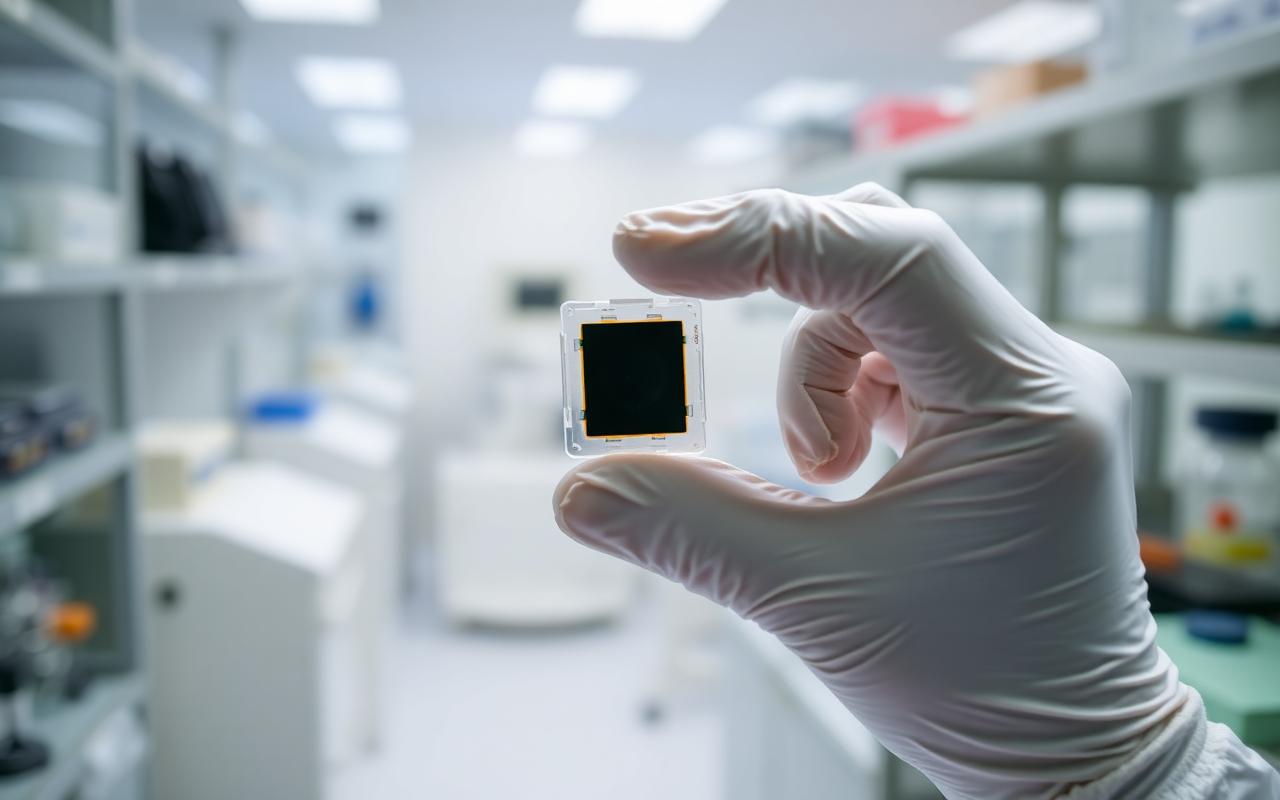
Engineers at a university research consortium have demonstrated a solid-state battery cell that retains over 90 percent of its capacity after 1,500 charge cycles, a milestone that could accelerate the commercial viability of next-generation electric vehicles and grid storage systems.
The result, achieved using a novel sulphide-based solid electrolyte and a lithium-metal anode, significantly outperforms current commercial lithium-ion batteries, which typically degrade to around 80 percent capacity within 500 cycles under comparable conditions.
Why This Matters for EVs
Solid-state batteries offer several theoretical advantages over conventional liquid-electrolyte cells, including higher energy density, faster charging, and elimination of the flammable liquid electrolytes that contribute to battery fire risk. The technology has long been seen as the most promising pathway to EVs with ranges exceeding 500 miles on a single charge.
“The cycle life we’re achieving at the cell level is genuinely competitive with commercial-grade lithium-ion for the first time,” said Dr. James Park, who led the research team. “The manufacturing question is still the major hurdle, but we’re no longer arguing about whether the chemistry works.”
Several automakers and battery manufacturers are reported to be in discussions with the consortium about licensing the technology for scale-up trials.