The Uncertain Future of City Centres: Can the High Street Reinvent Itself?
Empty shops, online migration, and post-pandemic working patterns have hollowed out town centres across the English-speaking world. But something new is growing in the gaps — and it looks nothing like the shopping mall.
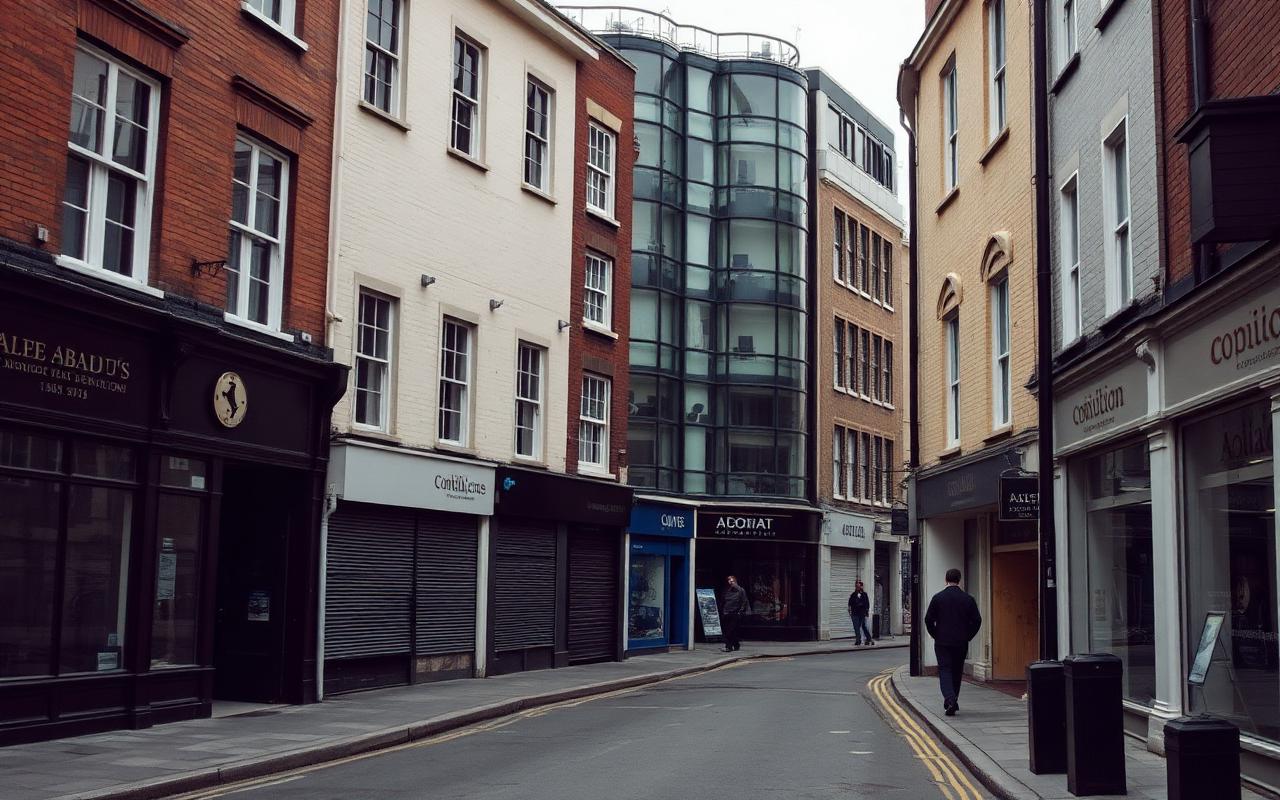
Walk through the centre of most medium-sized British or American cities on a weekday afternoon and you will encounter a landscape of absence. Shuttered storefronts with bleached-out window graphics. Former department stores converted to nothing in particular. Charity shops and vaping boutiques occupying units that once housed anchor retailers whose departure pulled the footfall required to sustain everything around them. The high street, the urban retail core, the downtown — whatever you call it in your geography — has been in crisis for years, and the crisis shows no sign of resolving itself through the mechanisms that resolved previous retail downturns.
The standard diagnosis is e-commerce, and e-commerce is certainly part of the story. Online shopping accounts for a growing share of retail spending and that share has continued to grow through economic cycles that would previously have driven consumers back to physical stores. But the e-commerce explanation is insufficient on its own. It doesn’t account for the thriving commercial streets that exist in most of the same cities that also have struggling ones — the neighbourhood high streets that remained relatively healthy while the town centre declined. It doesn’t account for the fact that vacancy rates vary dramatically between cities facing identical online shopping pressures. And it doesn’t account for the fact that the most successful new uses for vacated retail space often involve physical experiences that cannot be replicated online.
The Structural Problem
The deeper issue is structural. The British and American city centre model that developed through the second half of the twentieth century was built around a particular kind of retail anchor — the large department store or national chain — that generated footfall to sustain the surrounding smaller businesses. When those anchors began to fail, they did not simply leave gaps; they destroyed the systems that had depended on them.
Commercial lease structures, in many cases dating from decades-old agreements, complicated the response. Landlords of major retail properties were often institutional investors — pension funds, real estate investment trusts — whose interests lay in maintaining nominal rental values rather than accepting realistic reductions to attract viable tenants. The result, in many town centres, was prolonged vacancy rather than adaptation: empty shops held at aspirational rents while the surrounding area continued to deteriorate.
Planning frameworks designed for the retail era added further friction. Converting a retail unit to any other use — residential, workspace, food and beverage, healthcare, community space — often required planning permission that could take months and succeed or fail on grounds that had nothing to do with whether the conversion was a good idea.
What’s Growing in the Gaps
And yet something genuinely interesting is happening in the vacated spaces of many city centres, and it looks nothing like the retail model it is replacing.
The most successful town centre adaptations share certain characteristics. They are experience-oriented rather than transaction-oriented: climbing walls, food halls with rotating street food vendors, arts spaces, fitness studios, libraries and learning centres, maker spaces. They generate footfall not by offering things that can be bought more cheaply online but by offering things — physical presence, social connection, embodied activity — that cannot be bought online at all.
In Wolverhampton, a converted department store now houses a community gym, a crèche, a branch of the local college, and a food hall. Footfall in the surrounding area has increased measurably. In Albuquerque, a former mall that was more than 60 percent vacant has been converted to a mixed-use development combining residential units, small workspace, a public market, and a healthcare clinic. The project took seven years and required sustained public subsidy — but it works.
The Role of Independent Retail
There is also a quieter story about independent retail that tends to get lost in the larger narrative of decline. While chain retail has contracted sharply, independent retailers — particularly those serving specialist interests, offering genuine expertise, or providing the kind of human interaction that online shopping specifically lacks — have shown considerably more resilience. Bookshops, specialist food retailers, independent pharmacies, hardware stores with staff who know what they’re talking about: these are not thriving universally, but they are surviving in circumstances that should, by the standard theory, have eliminated them.
What they share, where they do survive, is community embeddedness. The independent bookshop that hosts author events and knows its regular customers by name is providing something categorically different from Amazon. The cheesemonger who can tell you where each item is from and what to pair it with is providing something the supermarket’s cheese aisle cannot. The question is whether the city centre of the future can be rebuilt on these foundations — denser, smaller-scale, more diverse in use, less dependent on footfall volumes that the internet has permanently redirected.
The Policy Problem
The evidence suggests that this transition is happening, but slowly and unevenly — and with significant consequences for the communities where it is not happening at all. Town centres that decline below a certain threshold tend to enter self-reinforcing spirals: fewer people visit, more businesses close, fewer people visit. Breaking those spirals requires interventions that current policy frameworks are poorly designed to support.
The most effective interventions have typically been local and specific: a council that acquires key properties and manages them actively to attract anchor tenants that create footfall, a business improvement district with genuine resource and genuine authority, a mayor who treats the town centre as a public asset rather than a private market question. These are not scalable solutions — they depend on local leadership quality and local political will — but they point toward what the path forward might look like.
The high street is not going to return to what it was. But it may, in many places, become something more interesting — and more genuinely useful to the communities it serves.

Tech Giants Report Record Q1 Earnings Amid AI Investment Surge
Major technology companies posted their strongest first-quarter results in three years, driven largely by surging demand for artificial intelligence infrastructure and cloud services.
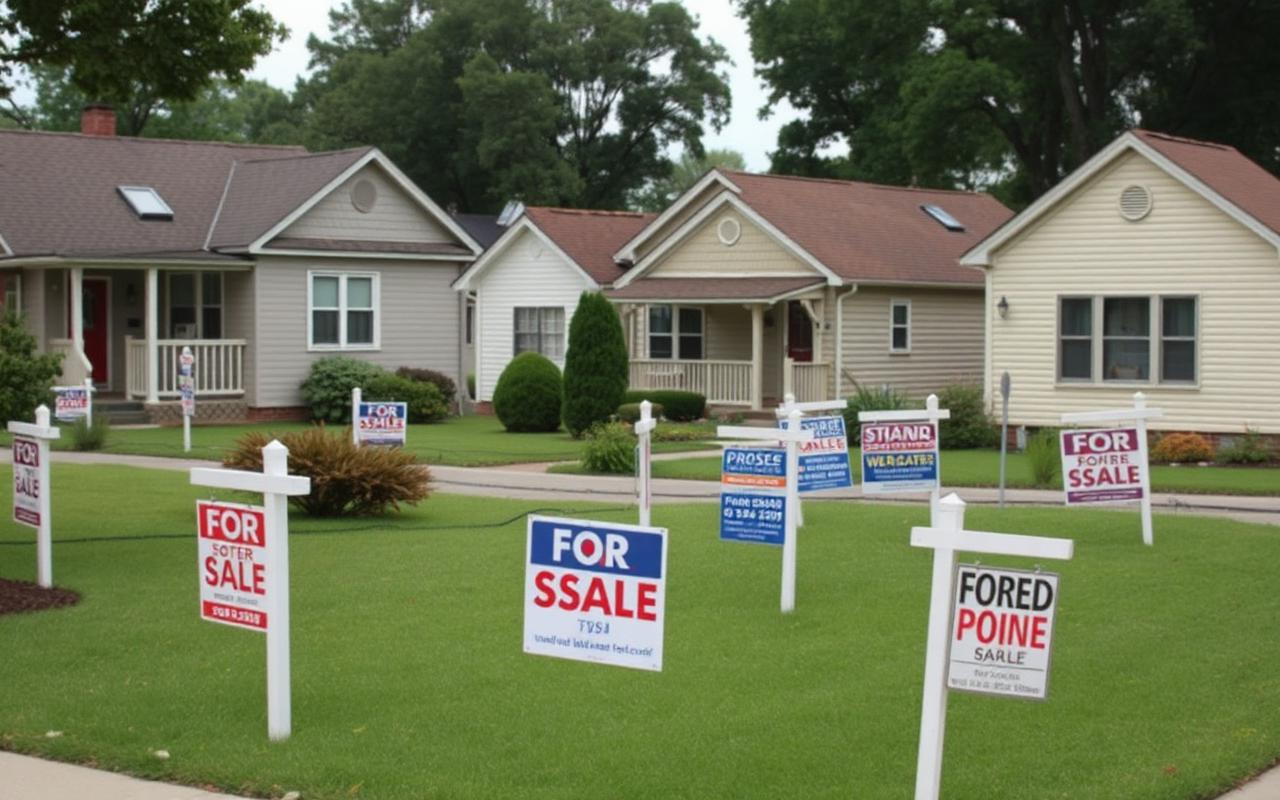
Housing Market Cools as Mortgage Rates Reach Two-Year High
Home sales fell for the third consecutive month in February as rising mortgage rates pushed affordability to its worst level in over a decade, according to new figures from the housing ministry.